After 35 years of walking through thousands of homes, I've learned what makes a kitchen truly stand out. It's not about trends—it's about flow, function, and timeless value.
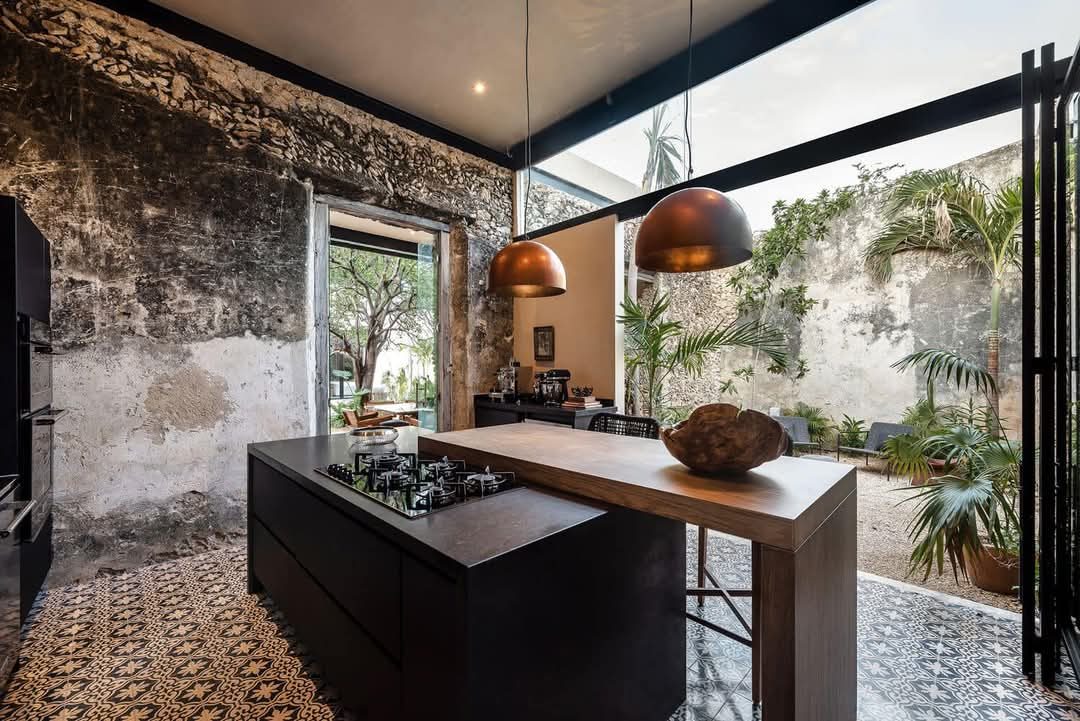
Most designers focus on trends. I focus on what actually sells. When a buyer walks into a kitchen, they decide within seconds: Is this premium? Is it functional? Do I have to renovate this?
A well-designed kitchen lifts the entire home's perceived value. A poorly designed one becomes the number one objection.
The kitchen is where buyers decide if your home is worth the asking price.
You can have the most expensive marble, but if the layout is wrong, the kitchen fails. Smart flow feels instinctive.
Modern buyers don't want a work triangle; they want logical zones that feel natural.
Storage is the quiet feature buyers value most. They always open drawers during inspections. If it looks organized, the home feels premium.
I've watched trends come and go for 35 years. Here's what stays valuable.
If you're renovating with a future sale in mind, these are the boxes you need to tick. Each one has been proven to influence buyer decision-making.
A well-designed kitchen isn't about chasing a magazine look. It's about combining function and timeless style so the space works for you today—and attracts the highest offer tomorrow. Design for living, but renovate for value.
Whether you're planning a renovation, selling your home, or just want expert advice on kitchen design, I'm here to help you make the right decision.
